The challenge
Species identification in camera-trap images was manual, time-consuming and prone to error.
Introducing Resolve, our fast decision-making model. Meet Resolve →



Selati Game Reserve.
Limpopo, South Africa.
Proof of concept.
Concept proven; feasibility assessed.
Species identification in camera-trap images was manual, time-consuming and prone to error.
Up to 15,000 photos and videos a month from several camera types, on a reserve where processing has to work without an internet connection.
A proof of concept for automatic species identification, with the requirements for a full monitoring platform, EcoWatch, defined with the reserve.
Recorded after the July 2024 review with the reserve. Selati is named with its permission.
Concept proven; technical feasibility assessment completed in 2024.
No figure is published for this engagement, so none is shown.
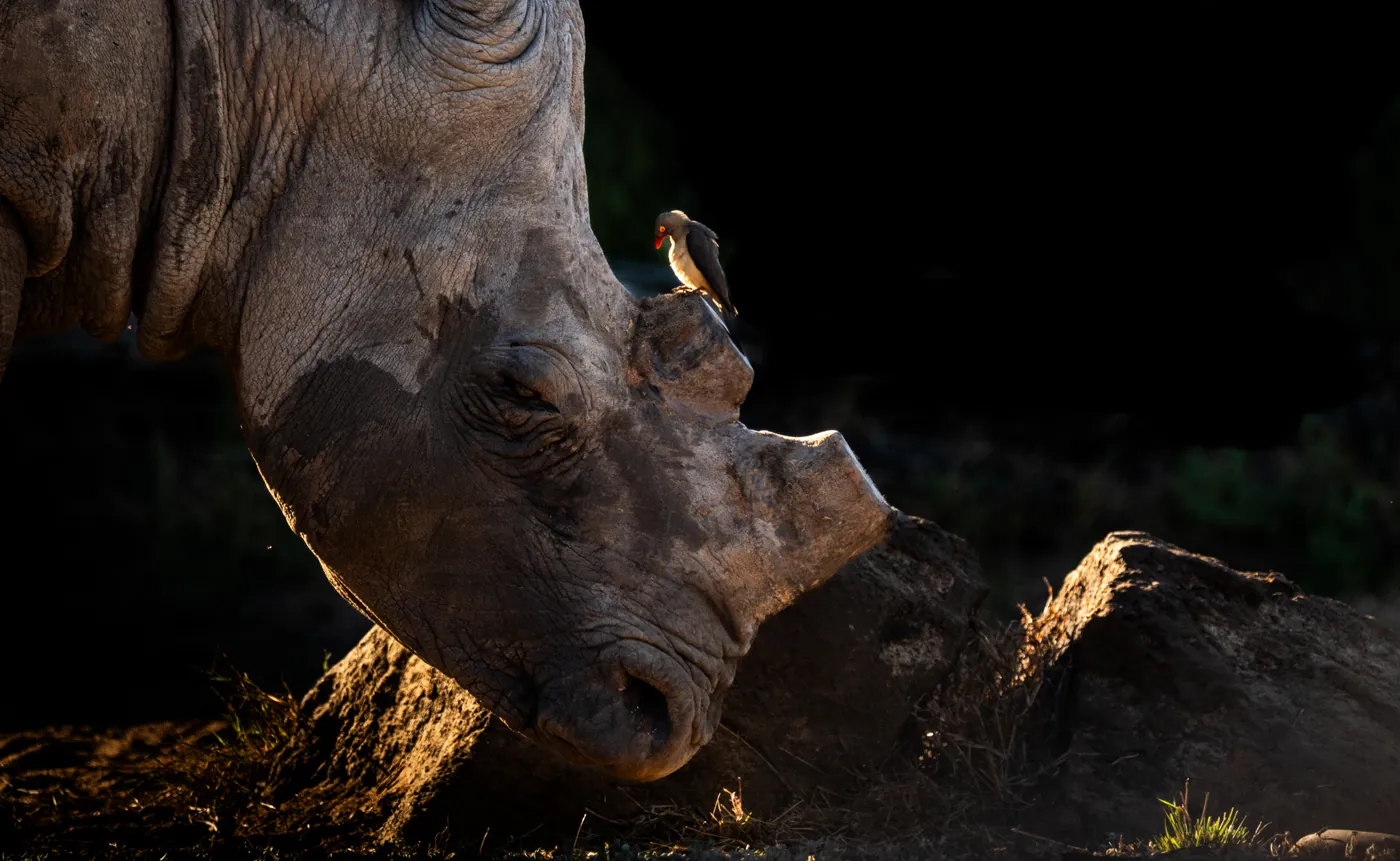
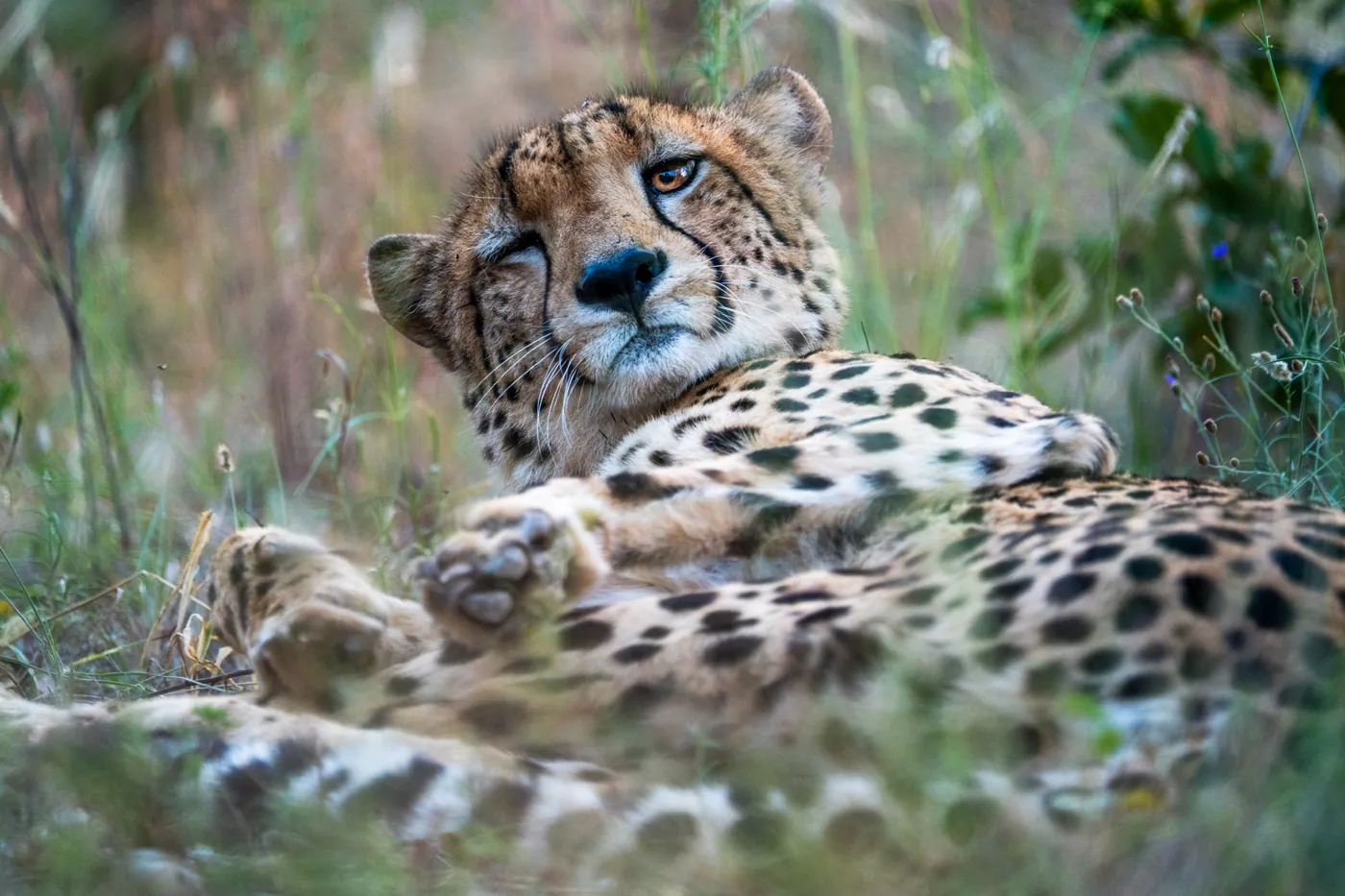
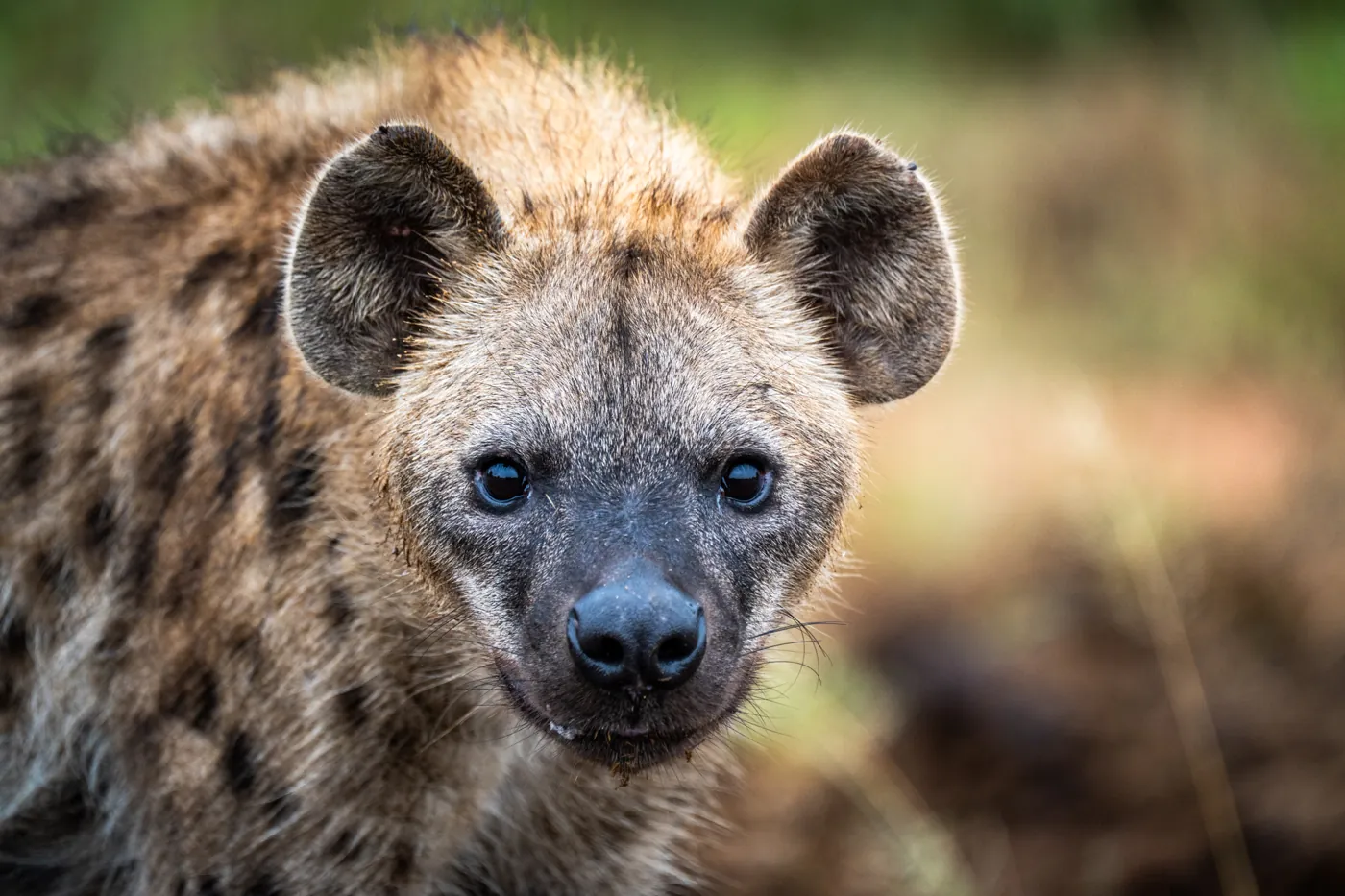
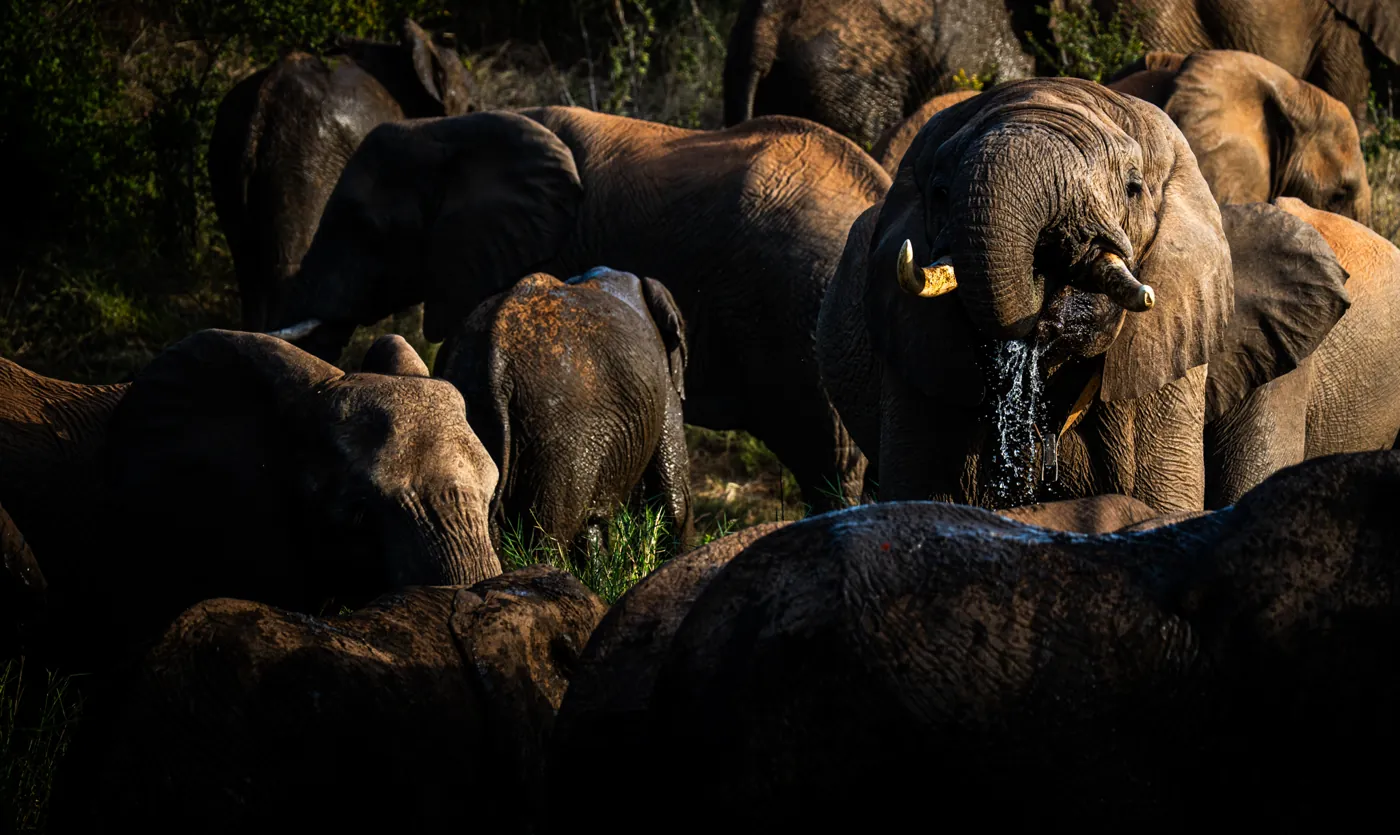
Photographs on this page: Mac Stevenson, Selati Game Reserve.
Selati spans about 270 square kilometres of the Limpopo Lowveld and has protected wildlife, including rhinos and cheetahs, since 1993. These are the requirements defined with the reserve’s wildlife team.
Steve Seager, Selati’s Wildlife Manager, in conversation with James Stevenson, Dscvry’s UK Director, recorded at Selati for our podcast, Let’s Talk AI.
“We’re getting so much data in that it actually takes so much time or a real specialist to come in and look at that data and pull out meaningful information.”
“Here’s the full picture, stop just looking at it just through this keyhole.”
“This is our findings, this is your action.”
Worked examples of the same kind of problem: the question a team asks, and what we give back.
Which animals passed, and are they hurt?
Identify species, spot injuries and flag poachers from camera traps.
See how →Is anyone where they shouldn’t be?
Catch people and vehicles crossing the line, day or night.
See how →Is this part defective?
Catch defects on the line, not at the customer.
See how →Every engagement, with its reported outcome or status.
Start with the operational problem. We’ll work out the data, models and agents it needs, and where it should run.
Talk to us →